Common Stinging Insects That Invade Homes
Local service providers can identify and eliminate common stinging insects that invade homes to ensure safety and peace of mind.
People living in the area who notice stinging insects around their homes often wonder which species might be responsible and how to handle the situation effectively. Common stinging insects that invade homes can pose risks to residents, especially during warmer months when they become more active. Understanding which insects are likely to appear and why they might choose to nest near or inside a property can help homeowners take proactive steps to prevent infestations and protect their families. Exploring this topic can also highlight the importance of professional services that specialize in stinging insect control, ensuring that any nests or colonies are managed safely and thoroughly.
For property owners dealing with unwelcome visitors like wasps, yellow jackets, or hornets, knowing how these insects tend to invade homes can make a significant difference in addressing the problem early. Local contractors who offer stinging insect control services are equipped to identify problem areas, remove nests, and implement measures to prevent future invasions. Keeping informed about common stinging insects and their behaviors can help residents decide when professional assistance is needed to keep their homes safe and comfortable. Keep reading to learn more about these insects and how local experts can assist with effective control solutions.
- Common stinging insects that invade homes - homeowners noticing nests or increased activity may need the expertise of local contractors to safely remove and prevent future infestations.
- Wasp and hornet control - when these insects build nests near entry points or in eaves, local service providers can evaluate the situation and implement targeted removal methods.
- Yellow jacket elimination - during late summer and fall, yellow jackets often become aggressive around homes, prompting the need for professional intervention from local pros.
- Paper wasp removal - if paper wasps establish nests on exterior walls or under eaves, local contractors can handle the removal and advise on prevention strategies.
- Hornet nest removal - large nests in trees or on structures can pose risks, and local service providers can safely handle their removal to minimize hazards.
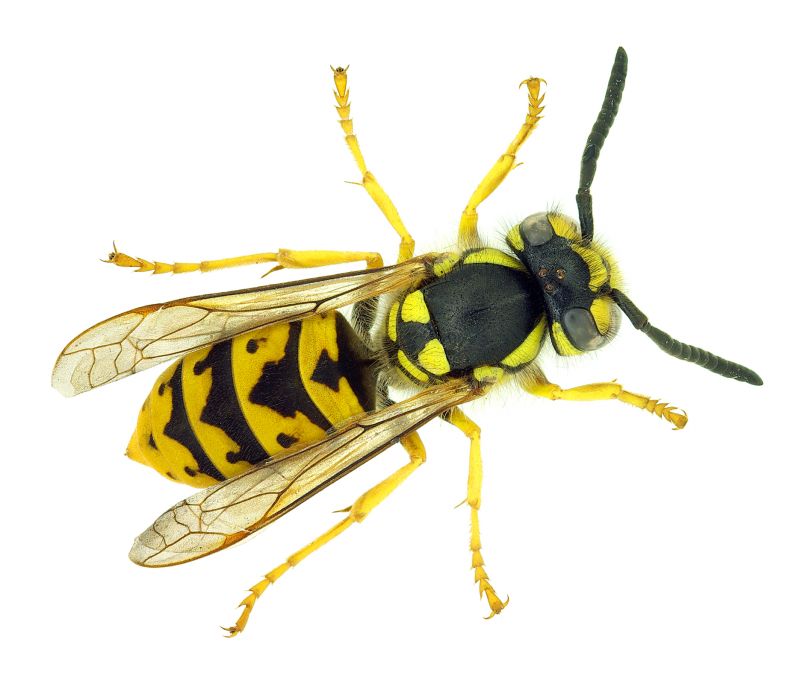
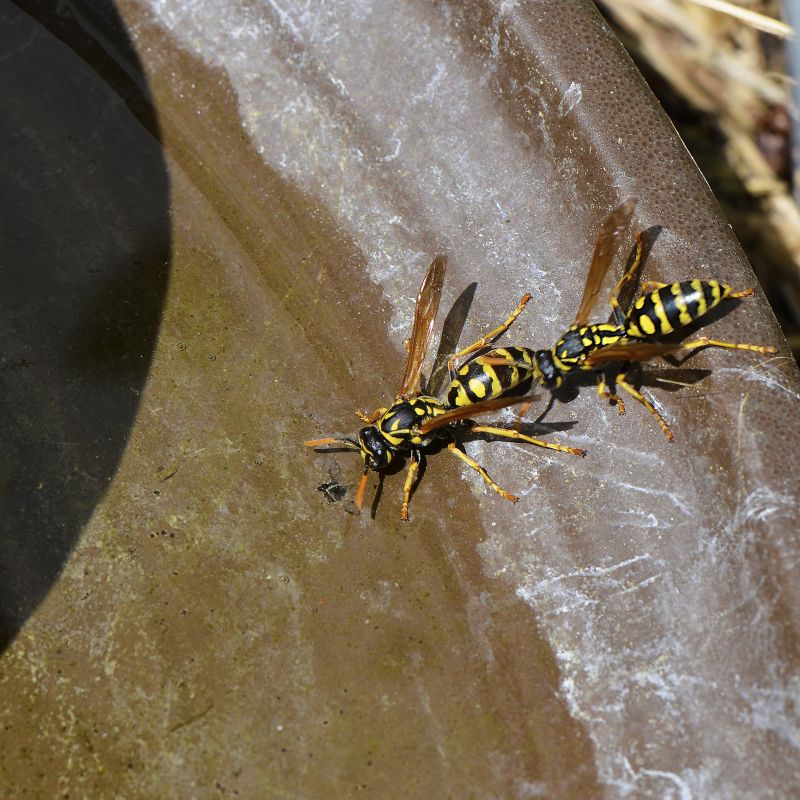
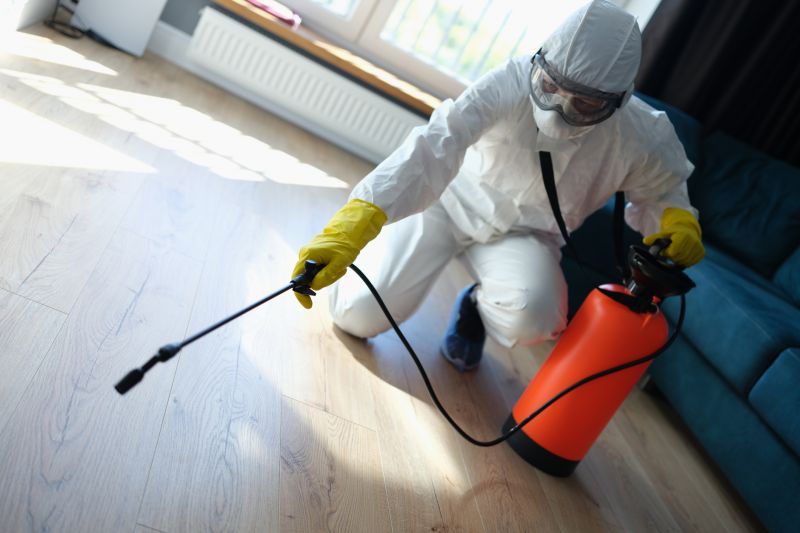
When searching for information about common stinging insects that invade homes, homeowners are often looking to identify which insects might be causing problems or pose a threat to their household. Many people want to understand which insects are likely to build nests near or inside their property, especially during warmer months when activity tends to increase. This search usually stems from concerns about safety, property damage, or simply wanting to prevent unwanted visitors from establishing colonies. Recognizing the types of stinging insects that commonly invade residential spaces helps homeowners take proactive steps to protect their families and property.
The problems associated with these insects often relate to their aggressive behavior when disturbed and the potential for painful stings. For some, the goal is to eliminate existing nests or prevent new ones from forming. Others may be planning to address the issue before it escalates into a larger infestation. Local contractors who specialize in stinging insects control can provide tailored solutions to remove nests safely and effectively, reducing the risk of stings and preventing further invasions. Homeowners may also seek advice on how to identify signs of an infestation, such as visible nests or increased insect activity around eaves, walls, or outdoor structures.
Properties most commonly affected by these insects include residential homes, especially those with nearby trees, shrubs, or other natural shelter. Attics, wall voids, and eaves are frequent nesting sites for certain species, making it essential for homeowners to inspect these areas regularly. Additionally, outdoor structures like sheds, garages, and decks can become nesting spots if not properly maintained. The presence of food sources, water, or debris can attract stinging insects, so property owners often look for ways to eliminate attractants as part of their control plan. Local service providers can assess the property and recommend targeted treatments to address specific nesting sites and prevent future invasions.
Understanding the types of common stinging insects that invade homes helps homeowners connect their concerns to practical projects. Whether it's removing a visible nest or sealing entry points to keep insects out, addressing these issues often involves professional intervention. Local pros experienced in stinging insects control can evaluate the situation, identify the species involved, and implement appropriate removal or exclusion measures. This specialized support is key to ensuring the safety of the household while minimizing the risk of future invasions. For homeowners, working with local service providers offers a reliable way to manage these pests effectively and restore comfort to their living spaces.
Pest Inspection Services - these projects involve thorough inspections of homes to identify potential nesting sites for stinging insects, similar to locating their invasion points around the house.
Wildlife Removal Services - professionals remove larger insects or pests that may be related to stinging insect infestations, requiring planning and safe handling skills.
Yard and Garden Pest Control - managing pests in outdoor spaces helps prevent stinging insects from establishing nests near homes, sharing techniques and tools used for pest management.
Nest Removal and Exclusion - projects focused on removing existing nests and sealing entry points align closely with controlling and preventing future stinging insect invasions.
Mosquito Control Services - these involve targeting flying insects around the home, using similar methods to reduce the presence of stinging insects in outdoor areas.
Structural Repair and Sealing - sealing cracks and gaps in home exteriors helps prevent insect entry, a key step in managing common stinging insects that invade homes.
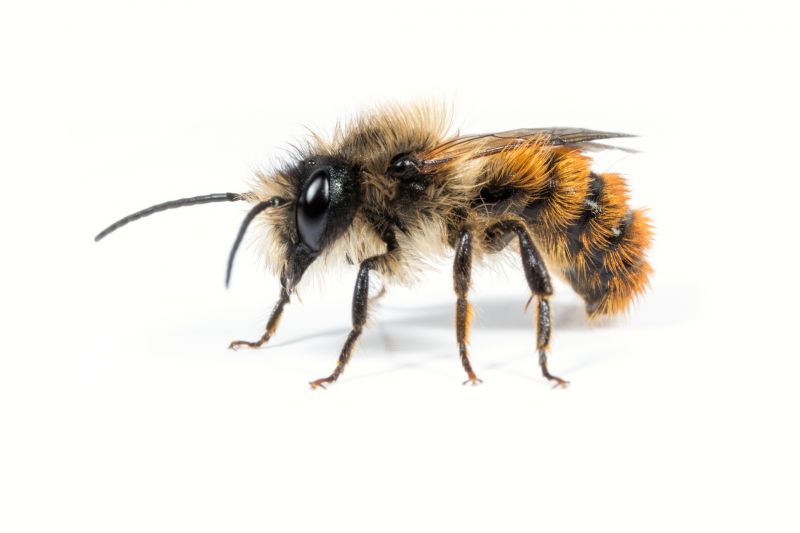
When comparing local contractors for stinging insects control services, it is important to consider their experience with similar projects, particularly those involving common stinging insects that invade homes. An experienced service provider will have a better understanding of the behaviors and nesting habits of insects like wasps, hornets, and yellow jackets, which can help ensure effective treatment and prevention. Homeowners should inquire about how long the contractor has been handling cases involving these specific pests, as familiarity with common invasion patterns can contribute to a more thorough and successful approach.
Clear written expectations are essential when evaluating potential service providers. Reputable contractors should be able to provide detailed descriptions of the scope of work, including inspection procedures, treatment methods, and follow-up options if necessary. Having this information in writing helps ensure that both parties are aligned on what the service will entail, reducing misunderstandings and providing a basis for assessing the quality of the work. Homeowners should look for providers who are transparent about what to expect and who can explain their approach in straightforward, understandable terms.
Good communication and reputable references are key indicators of a dependable service provider. Contractors who are responsive to inquiries and willing to answer questions about their experience, methods, and safety precautions demonstrate professionalism and a focus on customer needs. Additionally, seeking references or reviews from previous clients can offer insights into the contractor’s track record with stinging insect control. Reliable local contractors should be able to share examples of successful projects and provide contact information for past customers, helping homeowners make an informed decision based on real experiences.
Property owners often search for common stinging insects that invade homes when they are planning practical projects around their homes and businesses. Local pros provide Stinging Insects Control services for everyday jobs and straightforward project options.
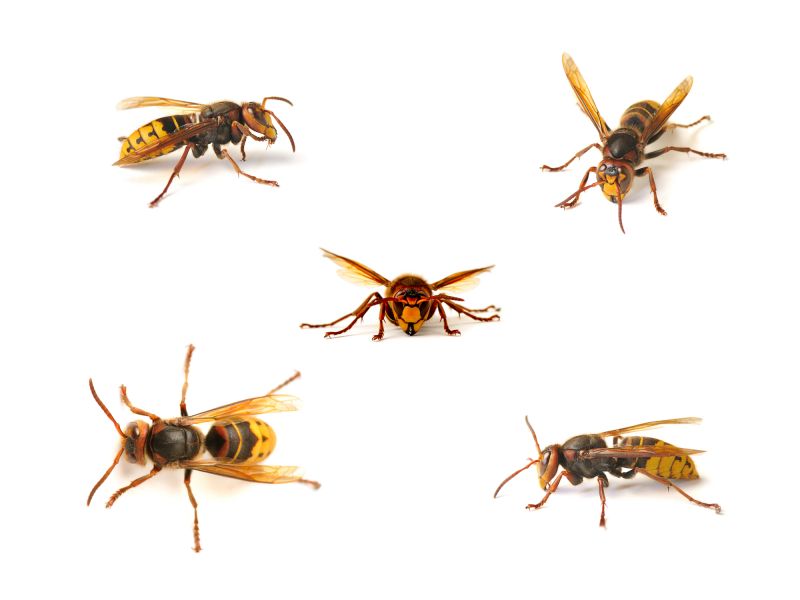
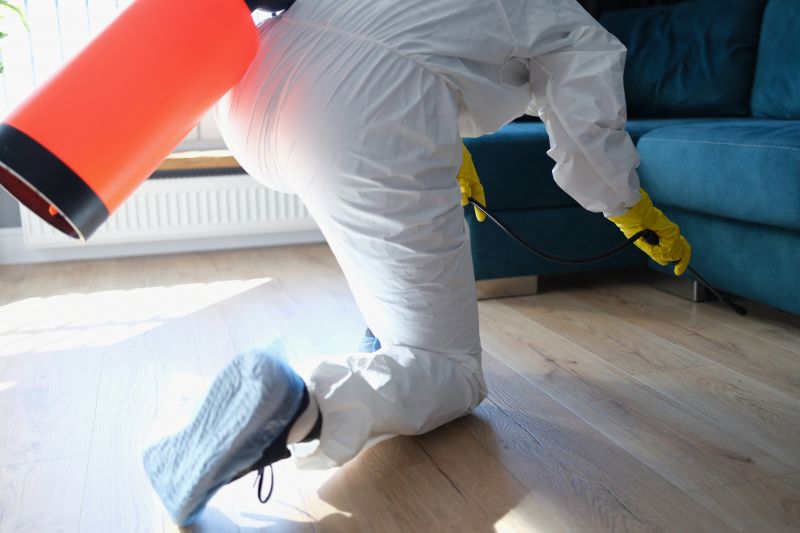
Many property owners in the area notice the presence of common stinging insects that invade homes, especially during warmer months. These insects, such as yellowjackets, paper wasps, and hornets, often build nests in eaves, soffits, or other sheltered spots around the house, leading to potential safety concerns for residents and visitors. When these insects become a nuisance or pose a threat, property owners frequently seek out local contractors who specialize in stinging insects control to safely remove nests and reduce the risk of stings.
Understanding which stinging insects are most likely to invade homes can help residents decide when to reach out for professional assistance. Local service providers offer targeted treatments and nest removal services that can effectively manage these pests and prevent future invasions. Connecting with experienced contractors ensures that the problem is handled efficiently and safely, allowing property owners to maintain a pest-free environment and peace of mind.
What are the most common stinging insects that invade homes? The most common stinging insects that invade homes include wasps, yellow jackets, paper wasps, hornets, and mud daubers. Local contractors can identify the specific insects and recommend effective removal and prevention methods.
Why do these insects often invade homes? These insects typically invade homes in search of food, water, or suitable nesting sites. They may be attracted to sugary foods, open trash, or sheltered areas around the house, prompting local pros to help eliminate attractants and secure entry points.
How can local pros help with stinging insect invasions? Local contractors can perform inspections to identify the type of insects present, remove existing nests safely, and implement exclusion techniques to prevent future invasions, ensuring a safer environment around the home.
Are stinging insects dangerous to homeowners? Yes, stinging insects can pose health risks, especially to those allergic to their stings. Professional control services can reduce the risk by safely removing nests and minimizing insect activity around the home.
What steps can homeowners take to prevent future invasions? Homeowners can eliminate food sources, seal cracks and gaps, and remove potential nesting sites. Local service providers can offer advice and treatments to help keep stinging insects from returning to the property.
Identify nesting sites - property owners can inspect their homes for potential nesting areas where common stinging insects that invade homes may establish colonies, enabling local contractors to target these spots during treatments.
Seal entry points - sealing cracks and gaps around windows, doors, and vents can help prevent stinging insects from entering living spaces, with local service providers offering guidance on effective sealing methods.
Remove attractants - eliminating food sources like sugary drinks or exposed trash can reduce attracting these insects, and professionals can advise on proper disposal and cleanup strategies.
Schedule regular inspections - routine checks around the property can catch early signs of infestation, allowing local contractors to implement preventative measures before nests grow or insects become problematic.
If you are thinking about common stinging insects that invade homes for a property, this guide is meant to help you understand this topic, the typical project types, and how different options might fit your plans.
When you are ready, you can use the quote form on this page to share a few details about your project. From there, local pros can review the basics and follow up with options that match what you have in mind.